ADVERTISEMENT
The Best Ciabatta Bread – Rustic Italian Bread at Home
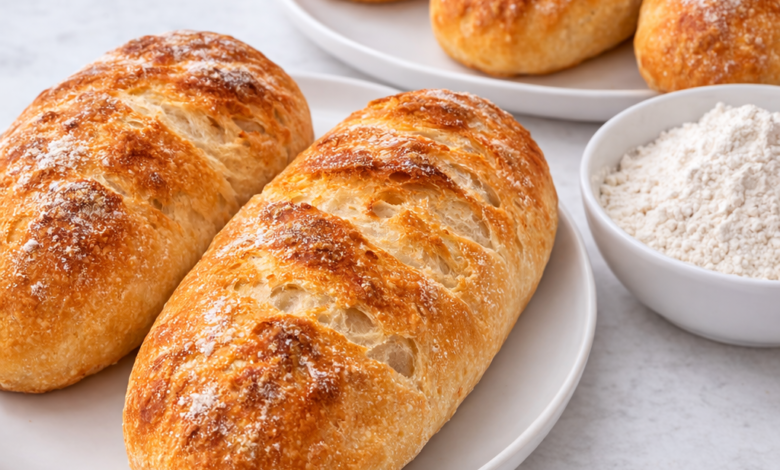
Ciabatta bread is one of the most popular Italian breads known for its crispy crust and airy, chewy interior. This rustic bread has a simple ingredient list, yet it delivers a rich flavor and a beautiful bakery-style texture. Making ciabatta at home might sound complicated, but with the right method, it can actually be quite easy.
This homemade ciabatta recipe uses basic pantry ingredients such as flour, yeast, water, olive oil, and salt. The dough is soft and slightly sticky, which helps create the characteristic open crumb that ciabatta bread is famous for.
Ciabatta is perfect for many uses. It works wonderfully for sandwiches, paninis, dipping in olive oil, or serving alongside soups and salads.
Why You’ll Love This Recipe
One of the best things about ciabatta bread is its rustic texture and flavor. The outside becomes beautifully crisp during baking, while the inside stays light and airy.
Another reason people love this recipe is its versatility. Ciabatta can be used for breakfast toast, lunch sandwiches, or dinner sides.
Even though the dough is sticky, the process is simple. With just a little patience during the rising time, you can achieve a bread that looks and tastes like it came from a bakery.
ADVERTISEMENT
Homemade bread also allows you to control the ingredients and enjoy the fresh aroma that fills your kitchen while baking.
Ingredients
This ciabatta bread recipe uses simple ingredients:
• 4 cups bread flour
• 1½ cups warm water
• 1 packet (2¼ teaspoons) active dry yeast
• 2 tablespoons olive oil
• 2 teaspoons salt
Bread flour is ideal for this recipe because it helps create the chewy texture that ciabatta bread is known for.
How to Make Ciabatta Bread
Step 1: Activate the Yeast
In a large bowl, combine the warm water and yeast. Let the mixture sit for about 5 minutes until it becomes slightly foamy. This step ensures the yeast is active.
ADVERTISEMENT
Step 2: Mix the Dough
Add the bread flour, olive oil, and salt to the bowl. Mix everything together until a sticky dough forms. The dough will be soft and slightly wet, which is normal for ciabatta bread.
Step 3: Let the Dough Rise
Cover the bowl with a clean towel or plastic wrap and let the dough rise in a warm place for 1 to 1½ hours, or until it doubles in size.
This rising period allows the dough to develop flavor and texture.
Step 4: Shape the Dough
Once the dough has risen, transfer it onto a well-floured surface. Gently shape it into a rectangle.
Using a knife or dough scraper, cut the dough into loaf-sized portions.
ADVERTISEMENT
Step 5: Rest the Dough
Place the shaped dough pieces onto a lined baking sheet. Cover them lightly and let them rest for about 30 minutes.
This short resting time helps the dough relax before baking.
Step 6: Bake the Bread
Preheat your oven to 425°F (220°C).
Bake the ciabatta loaves for 20 to 25 minutes, or until they are golden brown and sound hollow when tapped on the bottom.
Step 7: Cool Before Slicing
Allow the bread to cool for a few minutes before slicing. This helps the interior structure set properly.
ADVERTISEMENT
Tips for Perfect Ciabatta
Because ciabatta dough is sticky, always use plenty of flour on your work surface to make shaping easier.
Avoid overhandling the dough. Gentle shaping helps preserve the air bubbles that create the bread’s light texture.
For an extra crispy crust, you can place a small pan of water in the oven while baking. The steam helps develop a better crust.
Serving Ideas
Ciabatta bread is incredibly versatile. It is perfect for making Italian sandwiches, grilled paninis, or garlic bread.
You can also slice it and serve it with olive oil and balsamic vinegar as a simple appetizer.
Toasted ciabatta topped with tomatoes, cheese, or herbs makes a delicious bruschetta.
Final Thoughts
Ciabatta bread is a classic Italian favorite that combines simple ingredients with a rustic baking method. The result is a loaf that is crispy on the outside, airy on the inside, and full of flavor.
Once you try making ciabatta at home, you’ll see how satisfying it is to bake your own bread. It’s simple, authentic, and perfect for everyday meals.
ADVERTISEMENT